Our Products

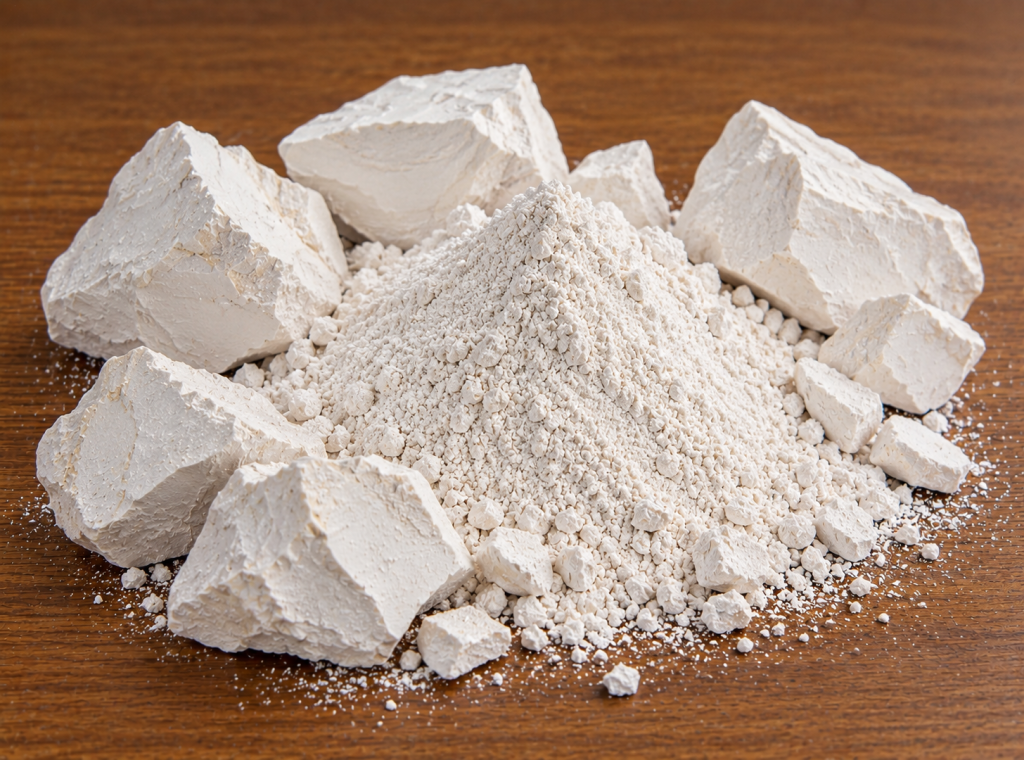
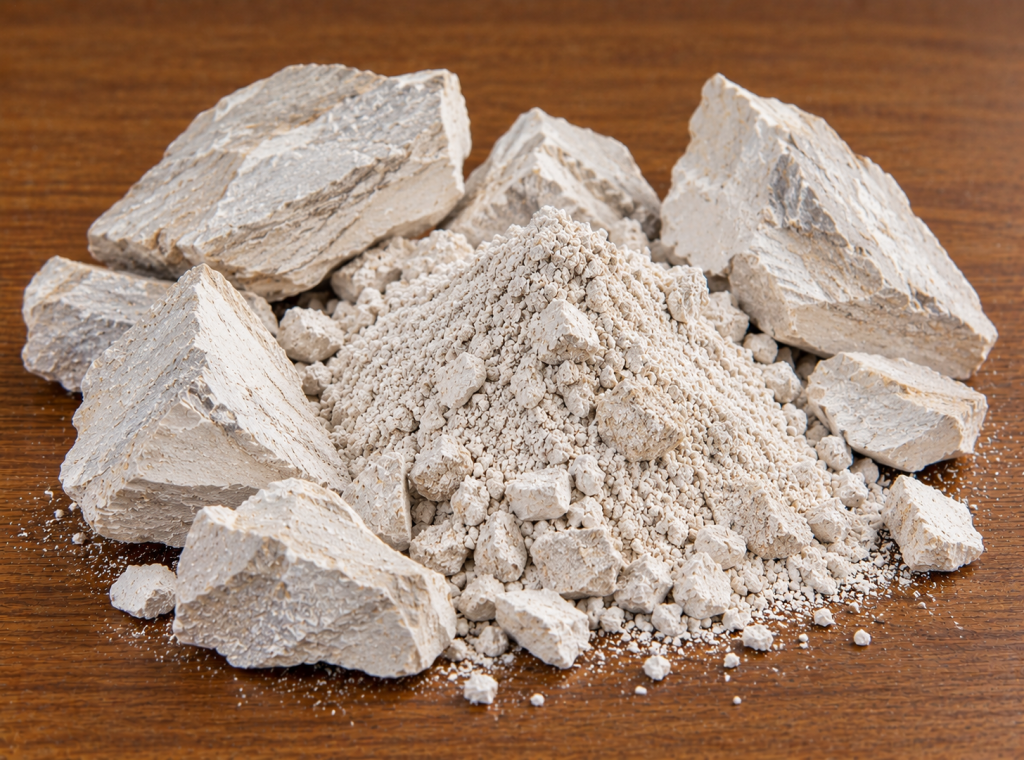
Ball Clay

20-80% KAOLINITE, 10-25% MICA and 6-65% QUARTZ

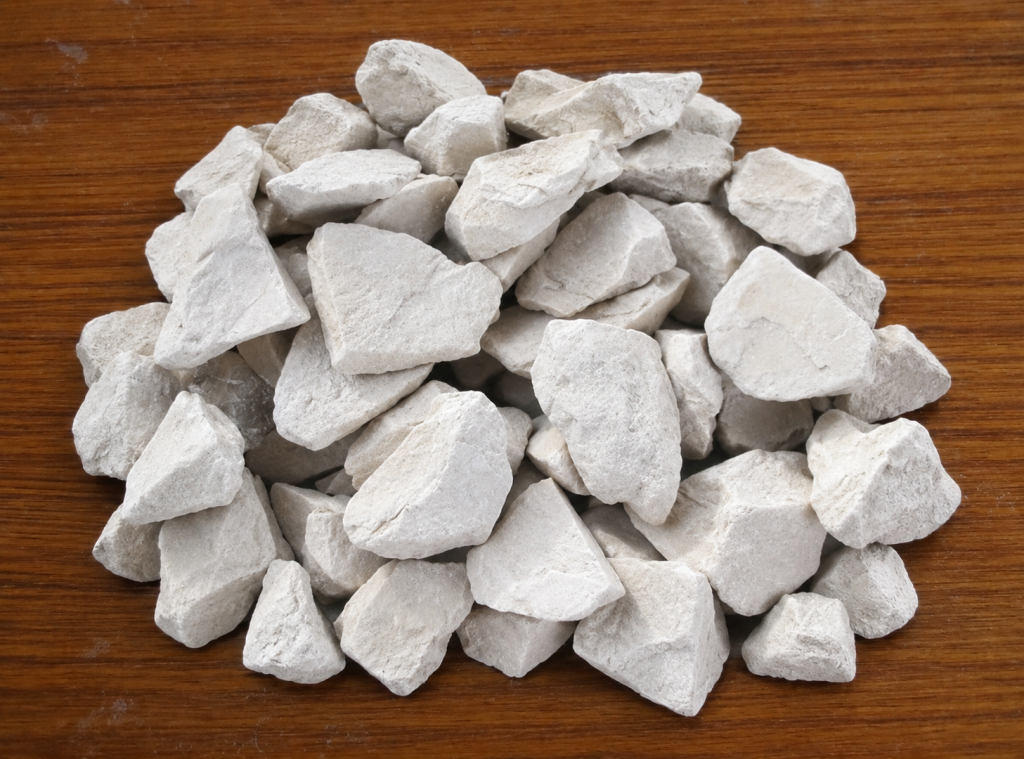
Ball Clay is a highly versatile sedimentary mineral, typically composed of 20–80% kaolinite, 10–25% mica, and 6–65% quartz. Its fine-grained, highly plastic nature makes it an indispensable raw material in the ceramic industry. We offer a wide variety of Ball Clay grades, sourced from our family’s own mining operations spanning approximately 300 hectares in the Bikaner region, ensuring consistent mineralogical composition and superior plasticity. Our Ball Clays are supplied at competitive prices, tailored to the specific processing requirements of each client.

Key Applications:

  1. Sanitaryware
  2. Wall & Floor Tiles
  3. Tableware & Fine Ceramics
  4. Glazes & Engobes
  5. Refractory Clays
  6. Construction Ceramics
  7. Electrical Porcelain Insulators

Blended Ball Clay

We offer bespoke blended Ball Clay solutions, precisely engineered to meet the unique technical and processing requirements of each customer’s manufacturing process. By carefully formulating and blending different grades of Ball Clay, we achieve the ideal balance of plasticity, whiteness, dry and fired strength, firing characteristics, and batch-to-batch consistency. Our custom blends are developed in close collaboration with our clients and are formulated for use in ceramic tile manufacturing, sanitaryware production, and the fabrication of high-tension electrical insulators. This product is a testament to our commitment to application-specific solutions and reliable, repeatable performance throughout the production process.

Bentonite Clay

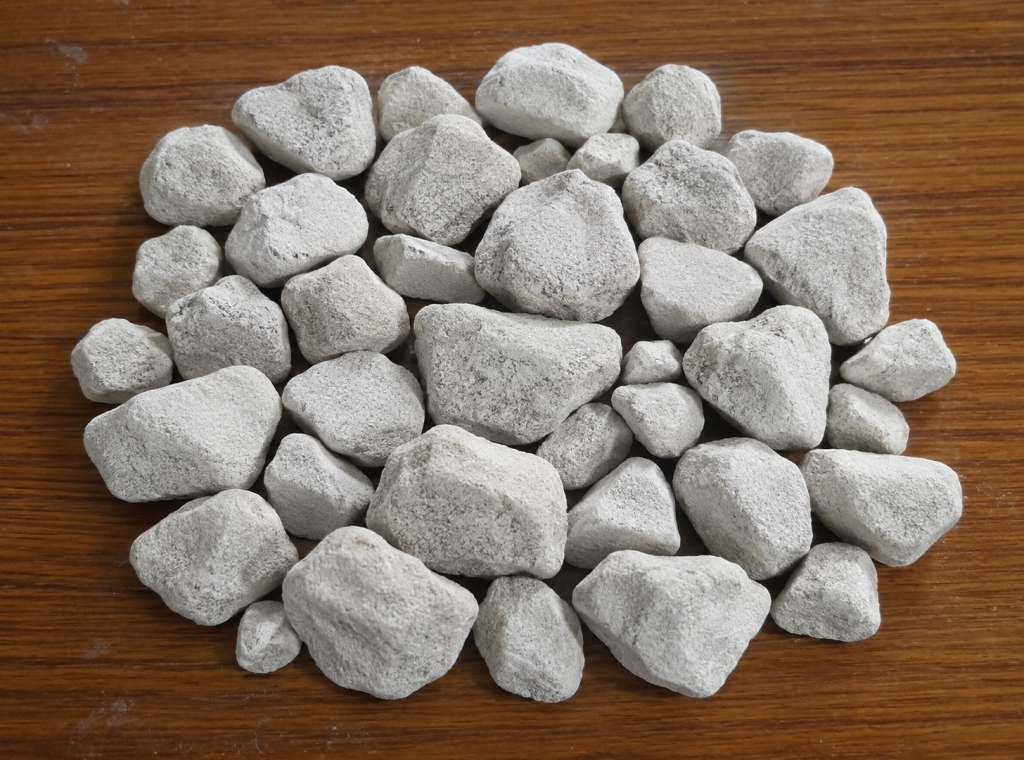
We supply a high-quality range of Bentonite Clay, processed using premium-grade raw materials under the supervision of experienced professionals. Bentonite is a highly absorbent, fine-grained clay mineral with exceptional binding and thickening properties, making it well-suited for a wide range of industrial applications. Our Bentonite is characterised by its high water retention capacity, excellent plasticity, strong binding strength, and distinctive earthy composition. It is widely used in foundry applications, drilling fluids, civil engineering, waterproofing membranes, and as a binder in iron ore pelletisation. We supply this product at competitive prices, ensuring accessibility without compromise on quality.

Potash Feldspar

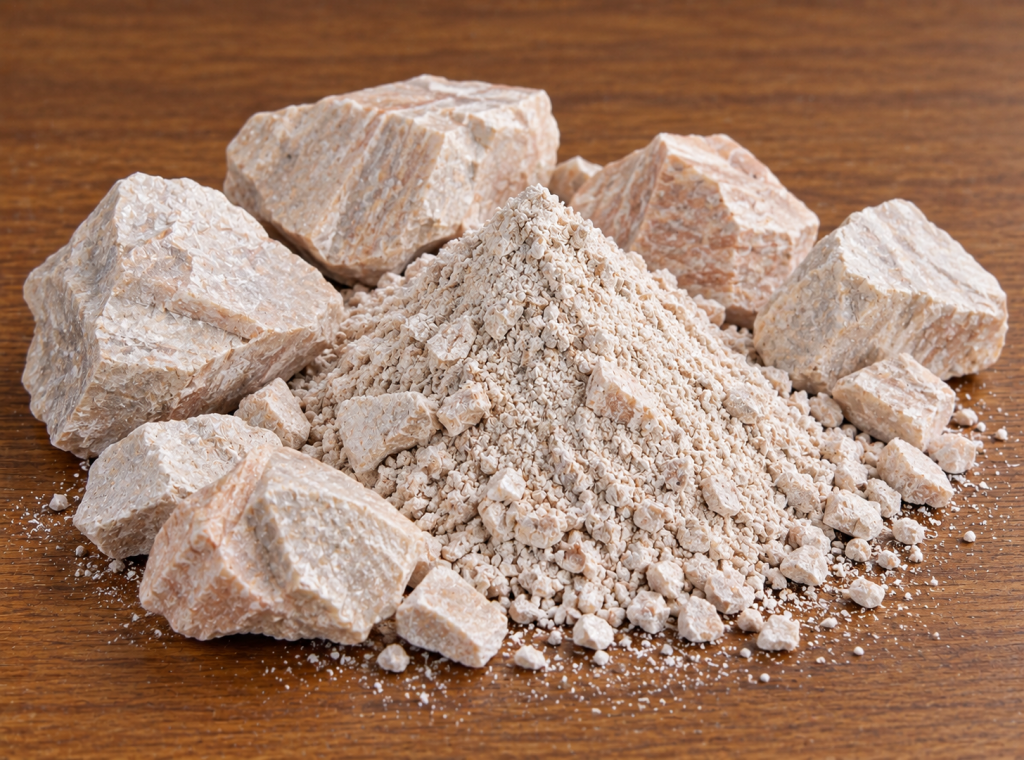
Potash Feldspar is one of the most critical raw materials in the ceramic and glass industries, collectively accounting for approximately 95% of total feldspar consumption worldwide. In ceramic body formulations, feldspar functions as the primary vitrifying (fluxing) agent, responsible for developing the glassy phase that imparts strength, translucency, and density to the fired product. A carefully calibrated quantity of feldspar ensures the desired level of vitrification; excess quantities result in an overly glassy and brittle body. We supply consistent, precisely graded Potash Feldspar that meets the technical requirements of white-ware, tile, and glass manufacturing applications across domestic and international markets.

Zirclay (Washed China Clay)

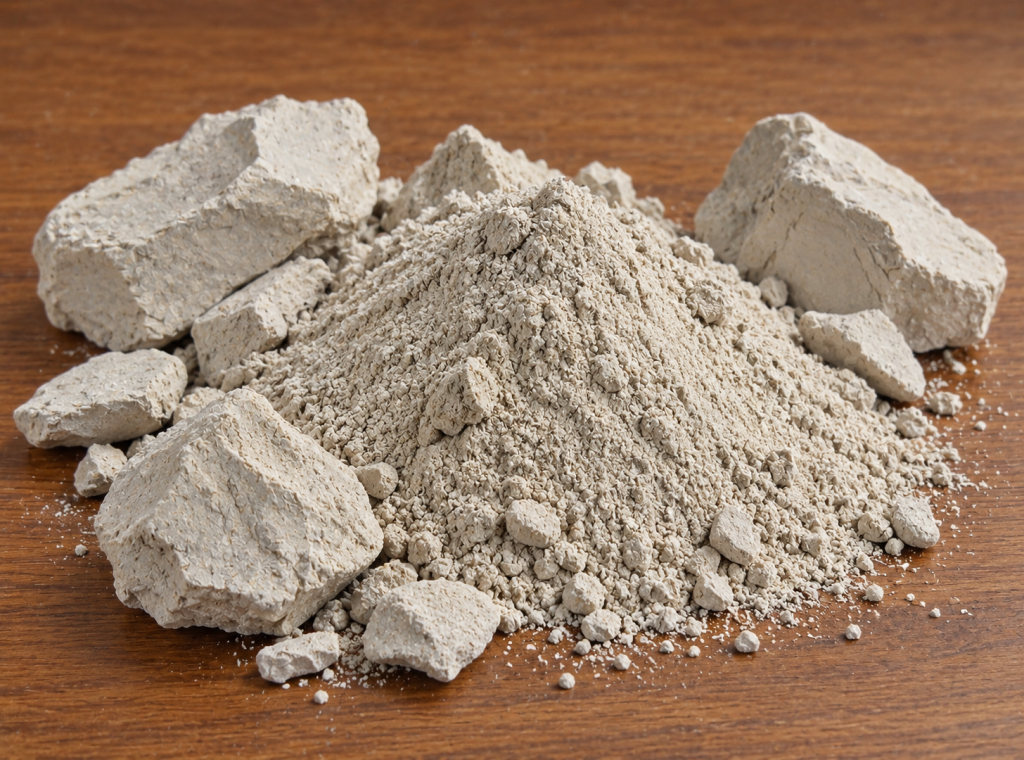
Zirclay is a high-quality washed china clay characterised by a well-balanced alkaline content and excellent whiteness. Its refined composition makes it particularly suitable for applications demanding high brightness and consistent particle size distribution. Zirclay is widely used in the formulation of high-quality ceramic bodies, sanitaryware, and tableware, where whiteness and fired strength are of paramount importance. We supply Zirclay in customer-specified grades to ensure seamless integration into existing production processes.


Silicious Clay

Siliceous Clay is a shell-type clay with a high silica (SiO₂) content exceeding 70%, offering unique functional properties as a raw material for ceramic applications. While its dry modulus of rupture (MOR) is comparatively moderate, it serves as an effective filler material and is widely used to adjust and modulate the plasticity of ceramic clay bodies. Its high silica content also contributes to improved dimensional stability and reduced thermal expansion in the fired product, making it a valuable additive in tile and refractory formulations.